
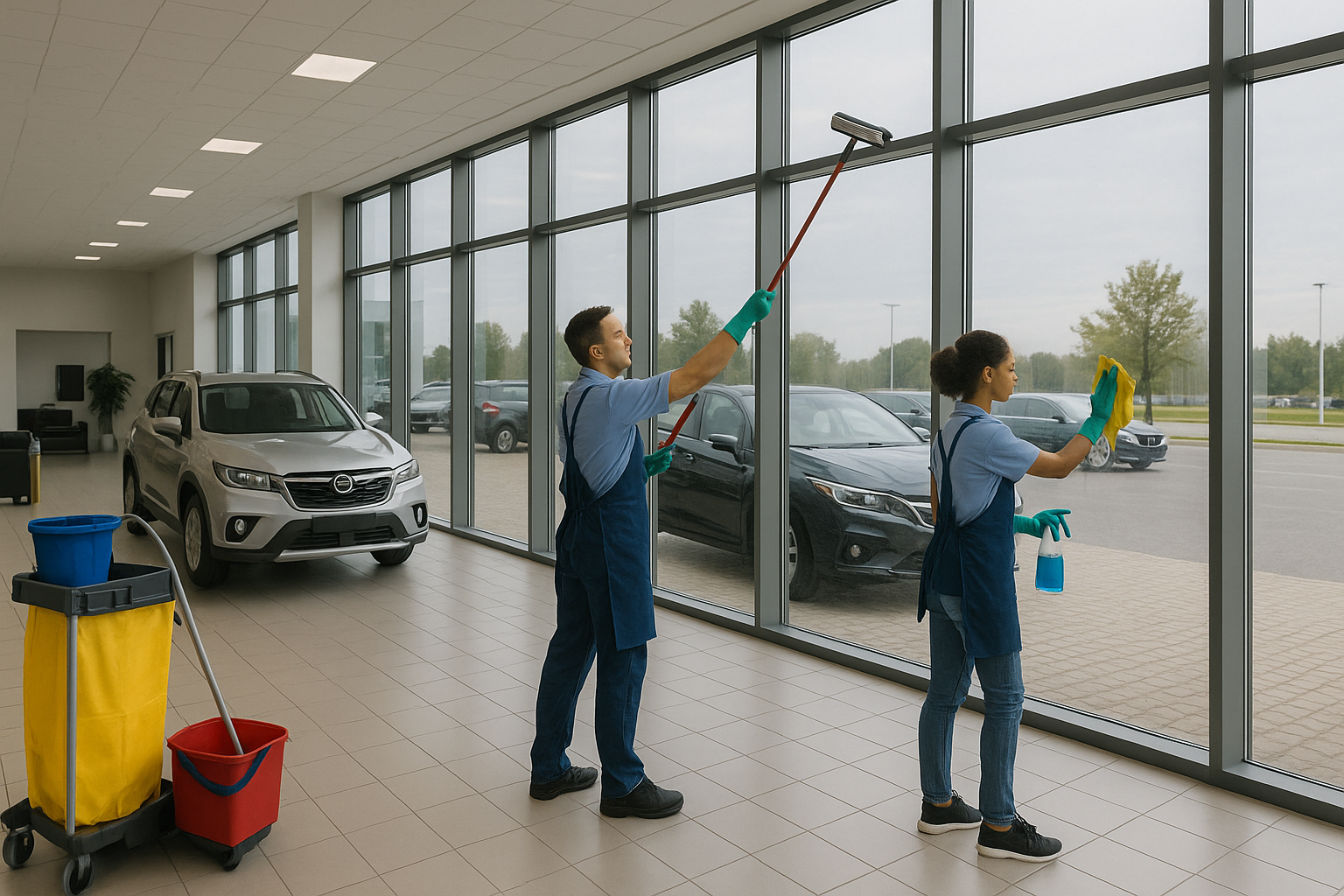
A car dealership is more than a place of business—it’s a stage where precision, polish, and presentation converge. Every surface reflects the brand’s promise, every scent influences perception, and every detail contributes to the overall experience. Maintaining such an environment requires strategy, consistency, and an eye for the subtleties that elevate a facility from functional to exceptional.
Showroom Presentation
Contents
The showroom is the dealership’s heartbeat. It’s where chrome gleams, glass dazzles, and customers make emotional decisions. Cleanliness here isn’t optional—it’s a silent salesman that reinforces trust. Floors should shimmer without streaks, their finish mirroring the vehicles they display. Every windowpane must be immaculate, allowing natural light to cascade across polished hoods and vibrant paintwork.
High-touch areas—door handles, counters, tabletops—should be disinfected routinely throughout the day. Dust, though small, is the enemy; it dulls reflections and undermines the perception of quality. Lighting fixtures require regular care to ensure that every beam of light enhances the aesthetic of the showroom rather than casting shadows on imperfections.
Customer Areas
Comfort and cleanliness shape a guest’s first impression more than any sales pitch ever could. Waiting lounges, coffee stations, and consultation desks should feel like an upscale hospitality space rather than a transactional zone. Upholstery should be vacuumed and sanitized frequently, with special attention to armrests and tabletops.
Odor control is crucial. Neutral, subtle scents communicate freshness without overwhelming the senses. Restrooms, often overlooked, are a key indicator of professionalism; they should be spotless, well-stocked, and inviting at all times. The goal is to create an atmosphere that feels effortless—one where cleanliness becomes a natural expectation.
Service Department
Behind the scenes, the service bay tells its own story. Here, the work is more mechanical and less cosmetic, yet presentation still matters. Oil stains, grease residues, and metal filings can quickly turn a workspace chaotic. Industrial-grade degreasers, floor scrubbers, and proper drainage systems are essential to maintaining safety and order.
Tools, lifts, and diagnostic equipment should be wiped down regularly to prevent buildup that could affect performance. Clean floors aren’t just aesthetic—they prevent slips, comply with safety standards, and protect technicians. Waste oil, filters, and chemicals must be disposed of according to environmental regulations, reflecting a dealership’s commitment to responsibility as much as appearance.
Offices and Staff Areas
Behind every transaction and service order is an administrative team that deserves a workspace conducive to focus and productivity. Desks, keyboards, and phones collect dust faster than most realize, demanding routine disinfection. Windows in office areas should remain as pristine as those in the showroom—natural light sustains energy and morale.
Break rooms and kitchens require vigilant attention. Shared microwaves, refrigerators, and countertops should be cleaned daily to prevent odors and bacteria. These staff zones might not be public-facing, but a well-maintained employee environment contributes directly to customer service quality.
Exterior and Windows
Curb appeal begins the moment a prospective buyer drives onto the lot. Pressure-washed sidewalks, litter-free entryways, and gleaming exterior windows signal professionalism before a single word is exchanged. Signage should be bright, readable, and free of dirt or streaks.
The vehicles themselves demand daily attention. Dust, pollen, and rain spots can quickly erode a car’s showroom finish. A dedicated cleaning schedule for display models—both indoor and outdoor—ensures that every visitor sees the inventory at its best. The dealership’s façade should embody the same level of care as the products it sells.
Cleaning Schedules
Consistency distinguishes a well-maintained dealership from one that simply gets cleaned. Daytime crews should focus on high-traffic maintenance—spot cleaning, trash removal, and restroom checks—while after-hours teams handle deeper detailing of floors, glass, and restrooms.
A structured checklist ensures no area is overlooked. Weekly and monthly deep cleans should include HVAC vents, light fixtures, and carpet extractions. By integrating predictable cleaning cycles into the dealership’s operations, managers ensure standards remain high without disruption to business flow.
Environmental Concerns
Modern dealerships are increasingly embracing sustainability, and cleaning operations must follow suit. Eco-friendly products reduce chemical runoff and protect employees from harsh fumes. Water-efficient pressure washers and biodegradable degreasers keep maintenance aligned with environmental ethics.
Waste management is equally important—oil, filters, and solvent containers should be recycled or disposed of through certified programs. Beyond compliance, such practices strengthen the dealership’s image as a responsible corporate citizen. Cleanliness isn’t just about appearance; it’s a reflection of values, stewardship, and respect for the community.
A clean car dealership does more than shine—it communicates care, precision, and credibility. From the polished floors of the showroom to the last pane of glass in the service bay, every detail contributes to the reputation of the brand and the trust of its customers.
